7. Procedure Automation Strategy
7.1 Introduction
The Procedure Automation Strategy work process establishes and maintains the standardized framework that guides how automated procedures are developed, implemented, and managed throughout their entire lifecycle (from initial design through deployment and eventual retirement). When this framework is applied to a specific automated procedure, it defines the step-by-step workflows, specifies which tools and software will be used, and identifies what deliverables (documentation, code, test results, etc.) must be produced at each phase.
Key Point: This strategy work process operates separately from any individual procedure’s development cycle. This separation ensures that each new automation project has a consistent, proven foundation to build upon, rather than starting from scratch each time.
Note: The specific activities and requirements within this work process will vary depending on your organization’s standards, industry regulations, and operational needs. Different companies may emphasize different tools or deliverables based on their automation maturity level and safety requirements.
The Procedure Automation Strategy work process incorporates a continuous improvement cycle to maintain current deliverables and enhance their effectiveness throughout project lifecycles. This feedback mechanism is demonstrated in Figure 38, where the feedback loop provides direct input to the Strategy’s continuous improvement activities.
Definition: Deliverables in this context refer to the documented standards, procedures, and guidelines that define how automation systems should be implemented and maintained.
The continuous improvement process receives input from multiple sources beyond internal project feedback. These external inputs include updates from industry standards organizations (such as ISA or IEC), technical developments shared at industry conferences and proceedings, and policy changes from corporate engineering groups. All of these influences help shape and refine the guidelines established in the operating entity’s Procedure Automation Philosophy (the high-level document that defines automation principles and approaches for the organization).
Note: This multi-source feedback approach ensures that automation strategies stay aligned with both evolving industry best practices and specific organizational requirements.
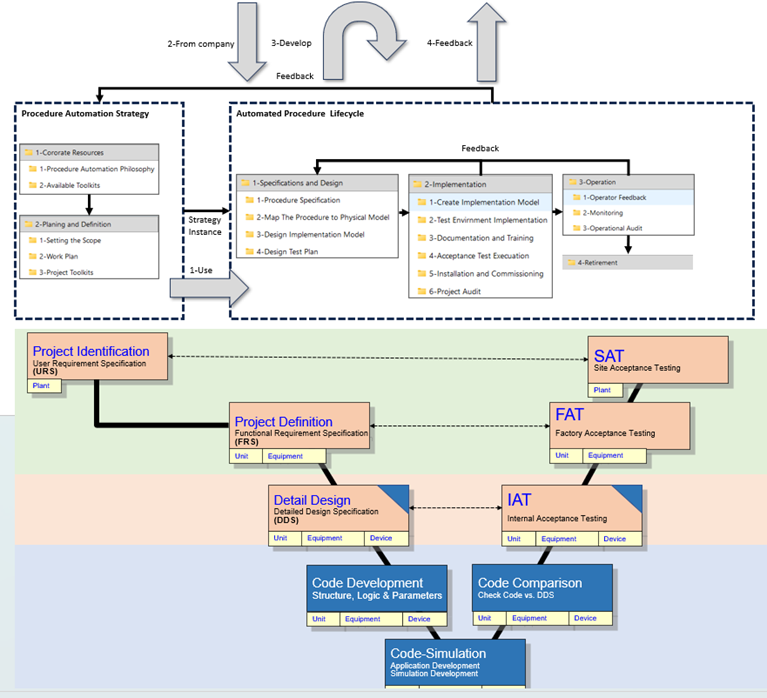
Figure 38 – Feedback from each Lifecycle Instance to the Procedure Automation Strategy
This diagram illustrates how feedback flows from individual lifecycle instances back to the overall procedure automation strategy. Each lifecycle instance (a specific execution or iteration of an automated procedure) generates operational data and performance metrics that inform strategic decision-making.
Key Feedback Elements: - Performance data from active control loops - Deviation reports when process variables exceed setpoints - Equipment status and diagnostic information - Timing and sequence execution results
Note: This feedback mechanism is essential for continuous improvement of automation strategies. The data collected from each instance helps identify patterns, optimize control parameters, and refine procedural logic for future implementations.
Industrial Example: In a batch reactor control system, feedback from each batch cycle (lifecycle instance) might include reaction completion times, temperature control accuracy, and yield data. This information feeds back to refine the master recipe and control strategy for subsequent batches.
The bidirectional nature of this relationship ensures that automation strategies remain adaptive and responsive to real-world operating conditions rather than static theoretical models.
The following activities should take place in a project as shown in Figure 39:
Note: These project activities represent the typical workflow that control engineers follow when implementing automation systems. Each phase builds upon the previous one, and proper execution of these steps is critical for successful system commissioning and operation.
Definition: Project activities in control engineering refer to the structured sequence of tasks that transform system requirements into a fully operational control system, including design, programming, testing, and deployment phases.
Industrial Example: In a typical manufacturing automation project, these activities might span 3-6 months depending on system complexity, with activities often overlapping rather than occurring in strict sequence to optimize project timeline and resource utilization.
- Copy the User Requirement Specification (URS) Templates from the company
- Review and finalize URS
- Copy the Automated Procedure Lifecyle (FRS) from the company
- Review and finalize FRS
- Copy the Automated Procedure Lifecyle (DDS) from the company
- Review and finalize DDS
- Develop the code and simulation and verify it by IAT, FAT and SAT.
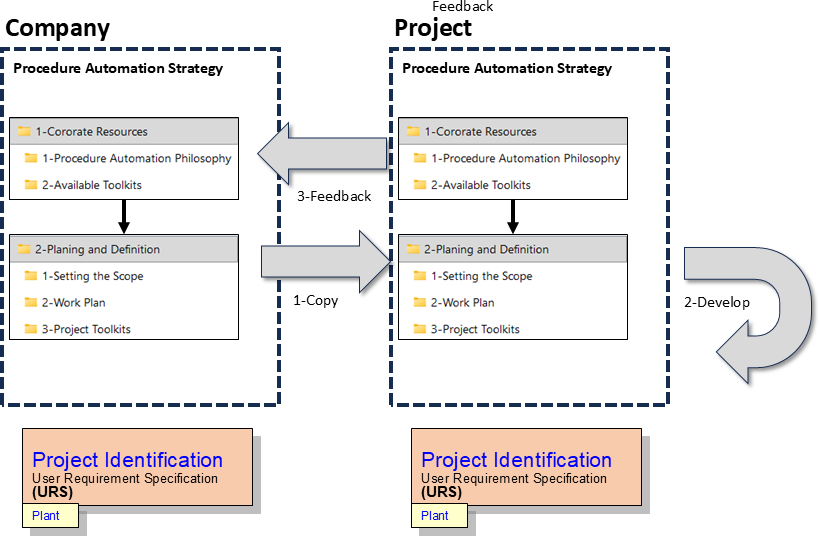
Figure 39 – Implementing Company Procedure Automation Strategy for Project Generation
This figure illustrates the systematic approach for applying your organization’s established automation procedures to generate a new control project. The process involves following standardized company protocols (documented procedures that ensure consistency across projects) while adapting them to the specific requirements of your current application.
Key Process Steps: The automation strategy implementation begins with reviewing your company’s standard procedures, which typically include control architecture guidelines, I/O specifications, and safety requirements. These procedures serve as the foundation for project development and help maintain consistency with existing plant systems.
Note: Company automation strategies often include predefined templates for common control loops (such as PID controllers for flow, pressure, or temperature control), safety interlocks, and communication protocols that have been proven effective in previous implementations.
Practical Application: When generating your project, ensure that the selected automation strategy aligns with your plant’s existing infrastructure, including fieldbus networks (communication systems connecting field devices to controllers), HMI standards (Human Machine Interface design guidelines), and maintenance procedures.
The systematic use of company procedures reduces engineering time, minimizes integration issues, and ensures that the final system meets both operational requirements and corporate standards for documentation, testing, and commissioning.
7.2 Requirement
The Procedure Owner shall periodically review the Procedure Automation Strategy against industry guidelines and this standard.
Note: Industry guidelines typically include standards from organizations like ISA (International Society of Automation) and IEC (International Electrotechnical Commission), which provide frameworks for safe and effective automation implementation.